

Menopause and exercise
During Menopause and Perimenopause it is particularly important to prioritise exercise. At this stage in life there is a drop in oestrogen that can cause a number of changes to our muscles, tendons, bones and other tissues. The musculoskeletal syndrome of menopause is used to describe the collective musculoskeletal signs and symptoms which can be associated with this loss of oestrogen (also commonly referred to as estrogen). It can affect more than 70% of women during menopause in different ways. Exercise can mitigate many aspects of this syndrome.
Some possible signs and symptoms of the musculoskeletal syndrome of menopause are listed below. Bear in mind that not every woman experiences any or many of these as part of menopause.
- Frozen Shoulder (adhesive capsulitis)
- Plantar Fasciitis
- Stiff joints
- Increase in muscle injury and tendinopathies (gluteal, hamstring, Achilles, rotator cuff, heel, hip)
- Increased inflammation
- Loss in muscle mass (sarcopenia)
- Slower tissue healing and recovery from injuries
- Decrease in mineral bone density (osteopenia/osteoporosis)
- Onset or worsening of osteoarthritis
- Reduction in balance and coordination
- Changes in fat distribution often called menopause belly
- Pelvic floor muscle weakness or pain
How can exercise help during menopause?
Strength training has been shown to improve many of these above listed conditions. It can improve muscle mass, reduce inflammation, and improve tendon strength. Research has also shown osteopenia and osteoporosis can be improved with specific types of strength training. Impact exercise can also assist with building/maintaining bone density and balance training helps reduce the risk of falling.
Cardio exercise is aerobic exercise to increase fitness and heart health. Even brisk walking can reduce inflammation, lower blood pressure, assist in weight management, and improve mental health.

How much exercise do I need to do during menopause?
- At least 150 minutes per week of moderate-intensity activity (such as brisk walking) or 75 minutes of vigorous-intensity aerobic activity (exercises that make you huff and puff like jogging and tennis)
- At least 2 days a week of activities that strengthen muscles (working toward fatigue after 8–15 reps)
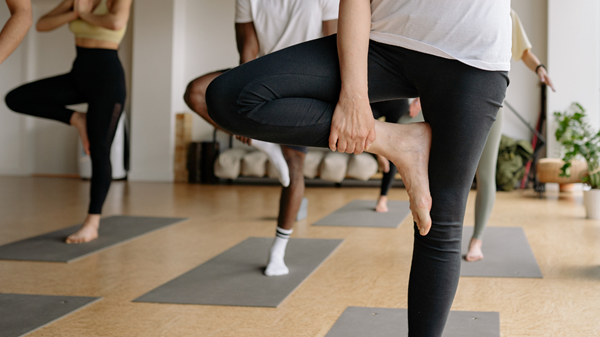
- And as you age activities to improve balance and foot strength such as standing on one foot
Why it’s important to exercise in a small size group?
The 2012 Osteo-cise study found that small sized community-based exercise programs “promote behaviours that encourage adoption and maintenance of lifelong exercise participation”. It was found the community approach increases each participant’s motivation and readiness to exercise. Social support was enhanced by organising participants into small exercise groups that facilitate socialisation and interaction. Physiotherapists are well placed to help you start exercising safely and effectively. If you live or work in the Sydney CBD are interested in a small sized physiotherapist led strength or osteoporosis prevention classes, our class sizes are 2-5 participants. Learn more here.
Inexpensive tips for staying healthy during Menopause
- Getting a chronic disease management plan from your GP to access subsidised physiotherapy sessions can help you access 5 sessions at a lower cost
- If you are not used to exercising, you can start small with “snacks” of exercise throughout the day. For example, break up long periods of sitting with squats or calf raises, or stand on one leg while brushing teeth.